
Independent field guide · Seoul Beauty Culture
Why Seoul became the world's skin capital
The structural reasons Gangnam packs the world's densest cluster of skin clinics — competition, a large private aesthetic market, fast device adoption, and deep repetition. A city-and-market story, with numbers from our clinic registry.
7 min read · By Glow in Seoul editorial · Updated July 20, 2026
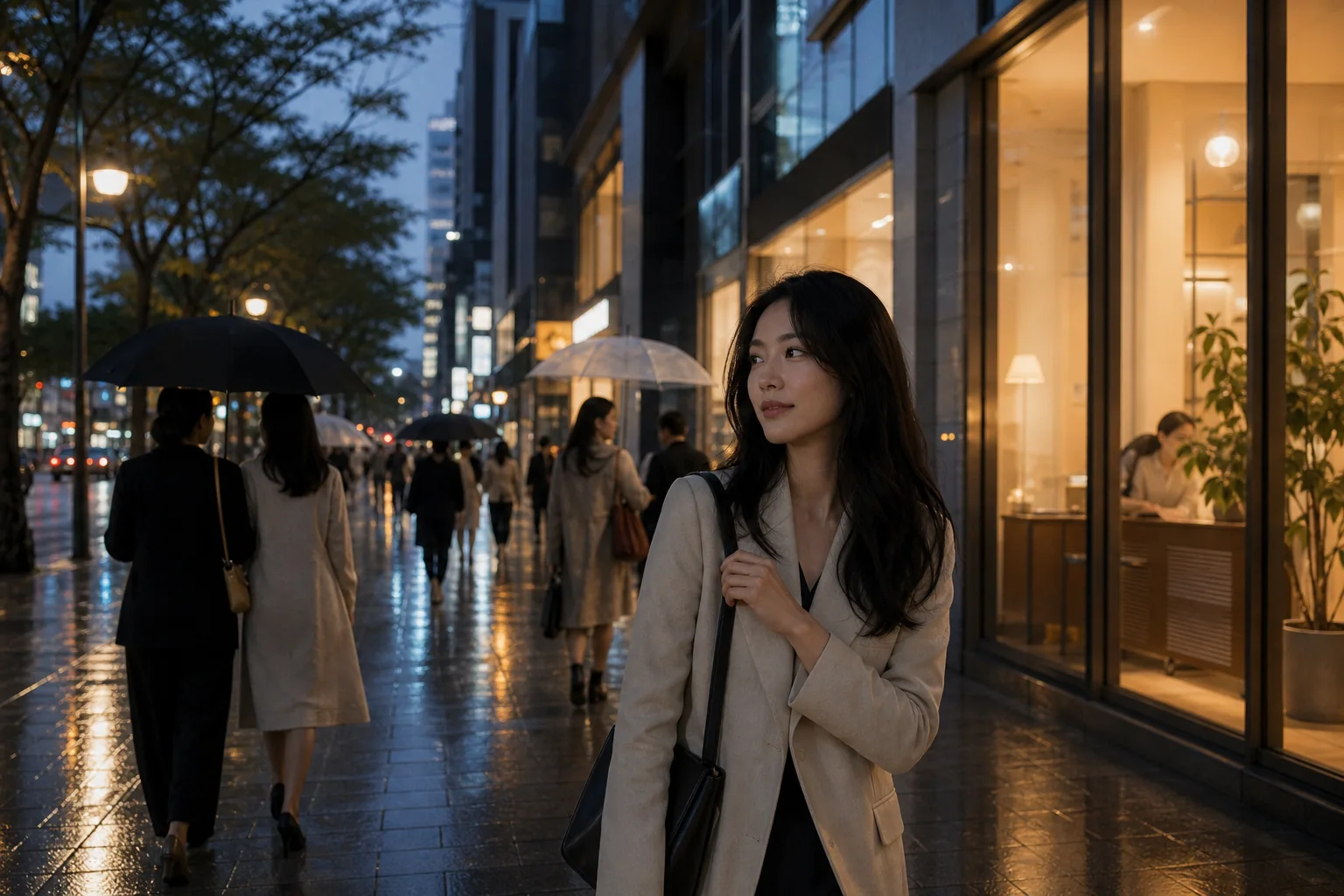
Seoul, and specifically a few blocks of Gangnam, holds one of the densest concentrations of skin and aesthetic clinics anywhere in the world. It's easy to wave this away as national talent or a beauty-obsessed culture, but the more honest explanation is structural: a set of market and city dynamics that concentrated clinics, sharpened price competition, and pushed a lot of skill into a small area. This is a story about how a market formed, not about one country being better than another.
We'll look at the actual mechanics — why the clinics cluster where they do, what the private aesthetic market rewards, how devices and techniques spread so fast, and what sheer repetition does to skill — using numbers from our own clinic registry where they help. It's descriptive, not promotional: dense doesn't automatically mean good, and we'll be clear about what density does and doesn't guarantee you as a visitor.
Section 01
Just how concentrated it is
Start with the geography, because the concentration is more extreme than most people picture. On Korea's official registry of clinics cleared to treat foreign patients, the Seoul skin-and-cosmetic clinics number roughly 1,250 — and they are not spread evenly across the city. The overwhelming majority sit south of the river, in and around Gangnam.
| District | Share of Seoul's registered skin & cosmetic clinics |
|---|---|
| Gangnam-gu | ~59% — the single densest cluster (Apgujeong, Sinsa, Dosan) |
| Seocho-gu | ~20% — adjacent, also south of the river |
| All other Seoul districts combined | ~21% |
From our clinic registry, drawn from KHIDI's official foreign-patient institution data on data.go.kr (mid-2026 snapshot). Registry counts, not a ranking — inclusion means registered to treat foreign patients, and says nothing about quality.
Section 02
The market structure underneath it
Two districts hold roughly four-fifths of the registered clinics, and that kind of clustering doesn't happen by accident. The deepest reason is how the treatments are paid for. In Korea, cosmetic and aesthetic procedures are largely private-pay — outside the national health insurance system that covers medical care. That sounds like a footnote, but it shapes everything: private-pay treatment is a real consumer market, with prices customers can compare, clinics competing openly, and strong incentives to attract volume and differentiate.
A large, competitive private market rewards two things that compound: specialization (a clinic that does one category of treatment thousands of times gets efficient at it) and price competition (visible, comparable prices push clinics to sharpen rather than coast). Combine that with a population that treats dermatology as routine maintenance rather than a rare event, and you get steady, high demand feeding a crowded, competitive supply — the classic conditions for a dense specialist cluster.
Section 03
Why they pile into the same few blocks
If competition is fierce, why crowd together instead of spreading out? Because clusters are self-reinforcing — the same dynamic that puts jewelers on one street or tech firms in one valley. Being where the customers already look brings foot traffic; being near rivals means shared suppliers, trained staff who move between clinics, and a location that signals "this is where you come for this." For patients, the density itself is convenient — you can consult at several clinics in a single afternoon.
Gangnam specifically became that anchor for reasons of timing and status: it developed as Seoul's affluent, aspirational district, and aesthetic clinics followed the money and the image. Once a critical mass formed, the cluster deepened itself — new clinics opened where the demand, talent, and suppliers already were, which is exactly the lopsided distribution the registry numbers show.
Section 04
How competition speeds up devices and skill
Dense competition has a specific effect on how fast new treatments spread. When many clinics compete in a small area on visible prices, there's pressure to adopt new devices and techniques quickly to stay differentiated — so energy-based devices, injectables, and protocols tend to diffuse fast through the cluster. It also pushes clinics to run high volumes of specific procedures, and volume, over time, tends to build procedural familiarity.
There's an honest flip side worth naming: the same competitive pressure that drives skill and efficiency can also drive aggressive marketing, upselling, and price-led corner-cutting. Density produces both careful, high-volume specialists and hard-sell storefronts, side by side on the same block. That's precisely why a visitor's job isn't to be dazzled by the cluster but to vet the individual clinic.
Section 05
What density does — and doesn't — mean for you
For a visitor, the useful reading of all this is measured. Density genuinely gives you choice, convenience, competitive pricing, and clinics that have done a given treatment many times — real advantages. What it does not give you is any guarantee about a specific clinic: being one of a thousand-plus registered clinics in a crowded market says nothing on its own about whether that clinic is careful, English-capable, or right for your skin.
So treat the "skin capital" story as context, not a recommendation. The market being large and competitive is a reason there are good options, not proof that any given door is one. The work is the same as anywhere: confirm the clinic is a licensed medical clinic with a real doctor consultation, check English support, and get a written plan. Our guides on choosing a clinic and the clinic verification checklist cover exactly how, and you can browse the full registry yourself.
Frequently asked
Frequently asked
Why are there so many skin clinics in Gangnam?
Mostly market structure, not culture. Aesthetic treatments in Korea are largely private-pay, which creates a large, competitive consumer market with visible prices — conditions that reward specialization and volume. Clinics then cluster together because clusters are self-reinforcing: they share customers, suppliers, and trained staff, and the location itself signals where to go. Gangnam became the anchor as Seoul's affluent district, and once a critical mass formed, it deepened. On our registry, roughly 59% of Seoul's registered skin and cosmetic clinics are in Gangnam-gu.
How many skin clinics does Seoul have?
On Korea's official foreign-patient registry, our data shows roughly 1,250 Seoul skin and cosmetic clinics (dermatology and cosmetic/plastic practices). About three in five are in Gangnam-gu, and around four in five are in Gangnam-gu and neighboring Seocho-gu combined. That's clinics registered to treat foreign patients specifically; the total number of all clinics is higher. The figure is a registry snapshot, not a ranking of quality.
Why is Korea known for skin treatments and K-beauty?
A few structural reasons compound: a large private-pay aesthetic market with open price competition, a population that treats dermatology as routine maintenance rather than a rare event, and a dense cluster of specialist clinics that adopt new devices and techniques quickly. High demand meets crowded, competitive supply, which builds specialization and volume. It's a market-and-city story more than a national-talent one — and it doesn't make any individual clinic automatically better.
Does having so many clinics mean the quality is higher?
Not automatically. Density gives you real advantages — choice, convenience, competitive pricing, and clinics that have performed a treatment many times. But the same competitive pressure also produces aggressive marketing and hard-sell storefronts right next to careful specialists. Being one of a thousand-plus registered clinics says nothing on its own about a specific clinic. You still need to verify licensing, a real doctor consultation, English support, and a written plan.
Is it cheaper to get skin treatments in Seoul because of the competition?
Competition and a private-pay market with visible prices do tend to keep some treatments price-competitive compared with markets where the same procedures are rarer. But "cheaper" varies enormously by treatment, clinic, and whether you're quoted a visitor price, and a very low headline price can reflect a shorter course or a different device. Learn the directional range for what you want, ask for an itemized quote, and compare like with like rather than assuming the cluster guarantees a bargain.
Why is Gangnam specifically the center rather than elsewhere in Seoul?
Timing and status. Gangnam developed as Seoul's affluent, aspirational district, so aesthetic clinics followed the money and the image, and once a critical mass gathered, the cluster reinforced itself — new clinics opened where the demand, talent, and suppliers already were. That's why the registry distribution is so lopsided toward Gangnam-gu and adjacent Seocho-gu rather than spread evenly across the city.
Related guides
Related guides
How to choose a Seoul skin clinic — license, red flags, written plan
Where Seoul's skin clinics are: a neighborhood guide

How to verify a Seoul aesthetic clinic and doctor credentials: 3 separate checks
Why do Koreans look younger? What science and beauty culture explain

Why do many Koreans have less body odor? ABCC11 explained
References
Notes & sources
This guide is general information to help you prepare — it is not medical advice. Suitability, the final treatment plan, and pricing are confirmed only by a licensed clinic.
Planning a Seoul clinic visit?
Build a Visit Plan around your dates — trip fit, directional budget, and a doctor-ready brief.